

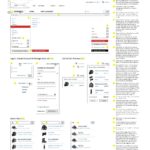
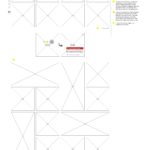
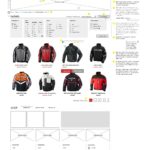
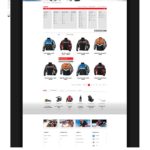
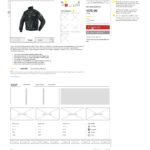

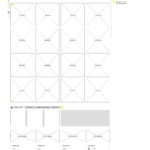
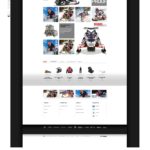
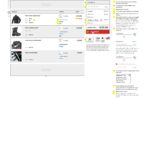





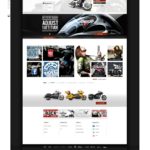
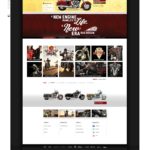
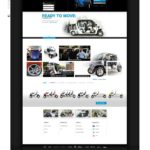

I was asked to redesign the client's eCommerce experience. However, when reviewing the research that had been done, as well as looking at the client's collection of separate web properties and experiences, it became increasingly clear that the entire ecosystem needed to be brought onto a unified and singular framework. User's needed one source of truth representing the brand and the engagements opportunities with that brand.
At the time, the client had more than 8 unique brands with their own experiences. Those sites were updated on an annual product release schedule, often undergoing a complete redesign and re-coding each and every year. The main issue with this approach, beyond insane costs and effort, is that the UX baseline is lost with each new version of the site. The company never learned what worked and what didn't, and they lost the opportunity to focus their efforts on improving the site effectiveness and ROI.
Over the span of three months, I created a re-usable framework that could house the identity, content, and functionality of each unique brand, while allowing for analytics and user research to inform areas of improvement each time a site went through it's annual refresh. In this way, learnings from one branded site could inform improvements to all brand sites, and development costs could be shared across the different cost centers greatly reducing the cost of each annual effort.
I acted as the IA and directed a single visual designer to create the vision deck represented in part above. I then spent several months championing the new approach all the way up the the CIO level of the company. with the next brand launch, the vision was made a reality as the first pieces of the framework were created to support the new site effort. In the coming months, each site saw great UX improvements and a drastic reduction in development time and budget.
The entire company changed the way they saw and used their web properties as testing became more useful and lucrative. When I joined the company, I was asked to create a User Experience practic, and when I left 2.5 years later, they had hired a VP of Customer Experience and several managers to oversee the growing user experience team.